


- A Practical Guide for Engineers and Technical Buyers
- Why Are Data Centers Moving Toward Liquid Cooling?
- How Does Data Center Liquid Cooling Work?
- Does Liquid Cooling Replace Air Cooling?
- What Changes When Liquid Enters the System?


A Practical Guide for Engineers and Technical Buyers
Data center liquid cooling is a thermal management approach that uses liquid to remove heat from servers, racks, or high-power computing equipment. Instead of relying only on air moving through a server room, liquid cooling brings a higher-capacity heat transfer medium closer to the heat source, whether that source is a CPU, GPU, accelerator, rack exhaust stream, or an entire submerged server.
The exact design depends on the cooling architecture. That distinction matters because “liquid cooling” is not one technology. It is a broad category that includes direct-to-chip cooling, two-phase direct-to-chip cooling, rear-door heat exchangers, single-phase immersion cooling, and two-phase immersion cooling. Each architecture places the liquid in a different part of the system, uses different fluids, and creates different requirements for tubing, fittings, seals, gaskets, and other fluid handling components.
For engineers and technical buyers, the practical question is not only “should this data center use liquid cooling?” It is also: where does the liquid go, what does it touch, and what has to contain it over years of service?
Why Are Data Centers Moving Toward Liquid Cooling?
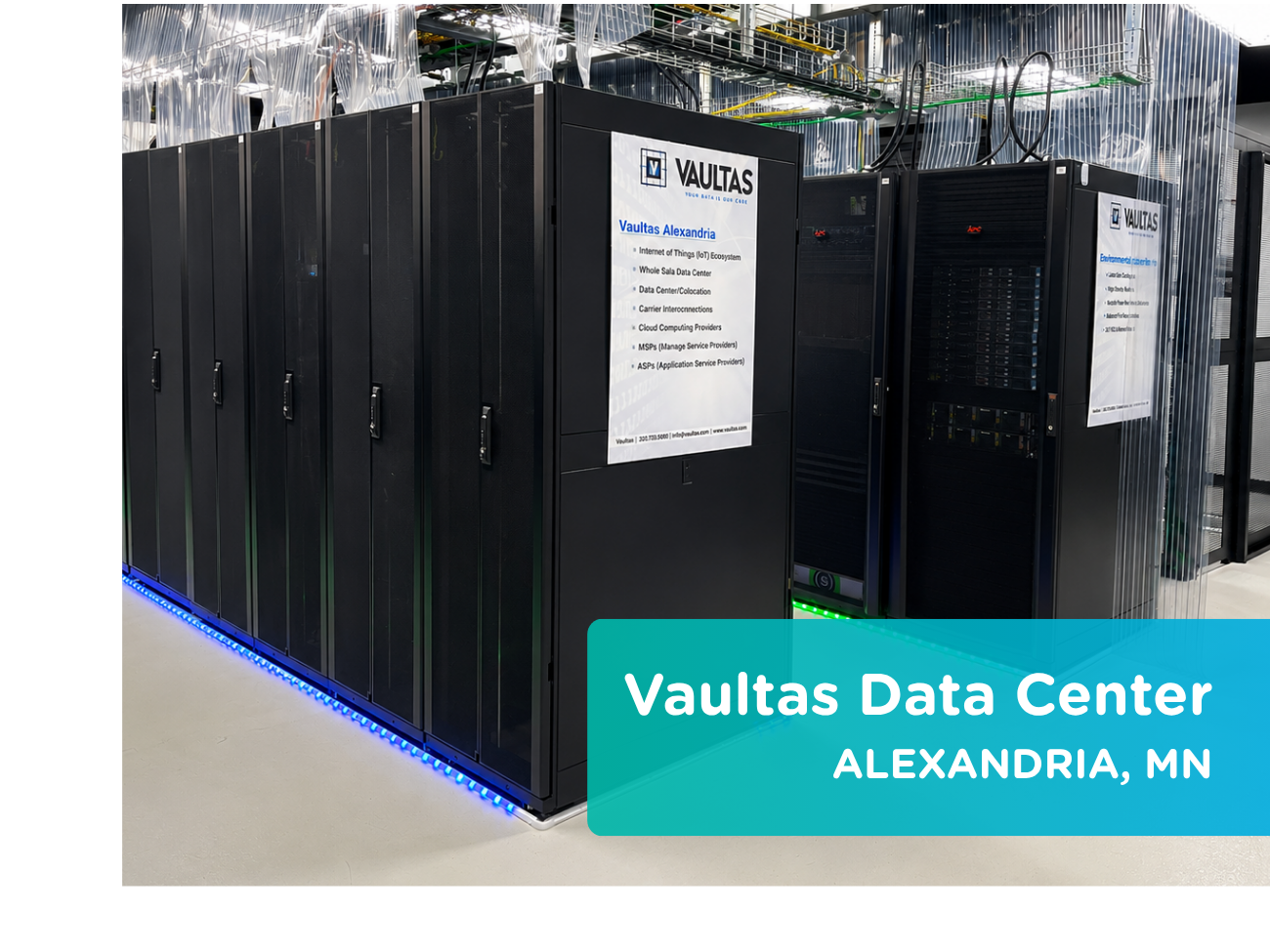 Data centers are moving toward liquid cooling because rack power density is rising. AI, high-performance computing, and GPU-heavy workloads concentrate more heat into smaller spaces. Air cooling can still support many environments, but as power density increases, air-based systems often require more airflow, more fan power, more careful containment, and more facility-level cooling capacity.
Liquid cooling gives operators another option. Liquids can carry more heat than air in a smaller volume, which allows heat to be captured closer to the source or removed more efficiently at the rack level. That does not mean every data center needs liquid cooling. It means liquid cooling becomes more attractive when the heat load exceeds what air cooling can manage efficiently, economically, or within the available physical space.
How Does Data Center Liquid Cooling Work?
At the simplest level, data center liquid cooling works by using a liquid to absorb heat and move it somewhere else. The system captures heat near the server, rack, or component, transfers that heat into a liquid, moves the heated liquid through a controlled fluid path, and then rejects the heat through a secondary cooling system.
The details vary by architecture. In a direct-to-chip system, coolant flows through cold plates mounted on high-power processors. In a two-phase direct-to-chip system, fluid can evaporate inside or near the cold plate and then condense elsewhere in the loop, using phase change to move heat more efficiently from the chip package. In a rear-door heat exchanger, liquid removes heat from hot air leaving the rack. In immersion cooling, servers are submerged in a non-conductive fluid that absorbs heat directly from components. In most cases, the heat eventually transfers from the IT-side cooling system to a facility cooling system, such as chilled water, a dry cooler, a cooling tower, or another heat rejection system.
Does Liquid Cooling Replace Air Cooling?
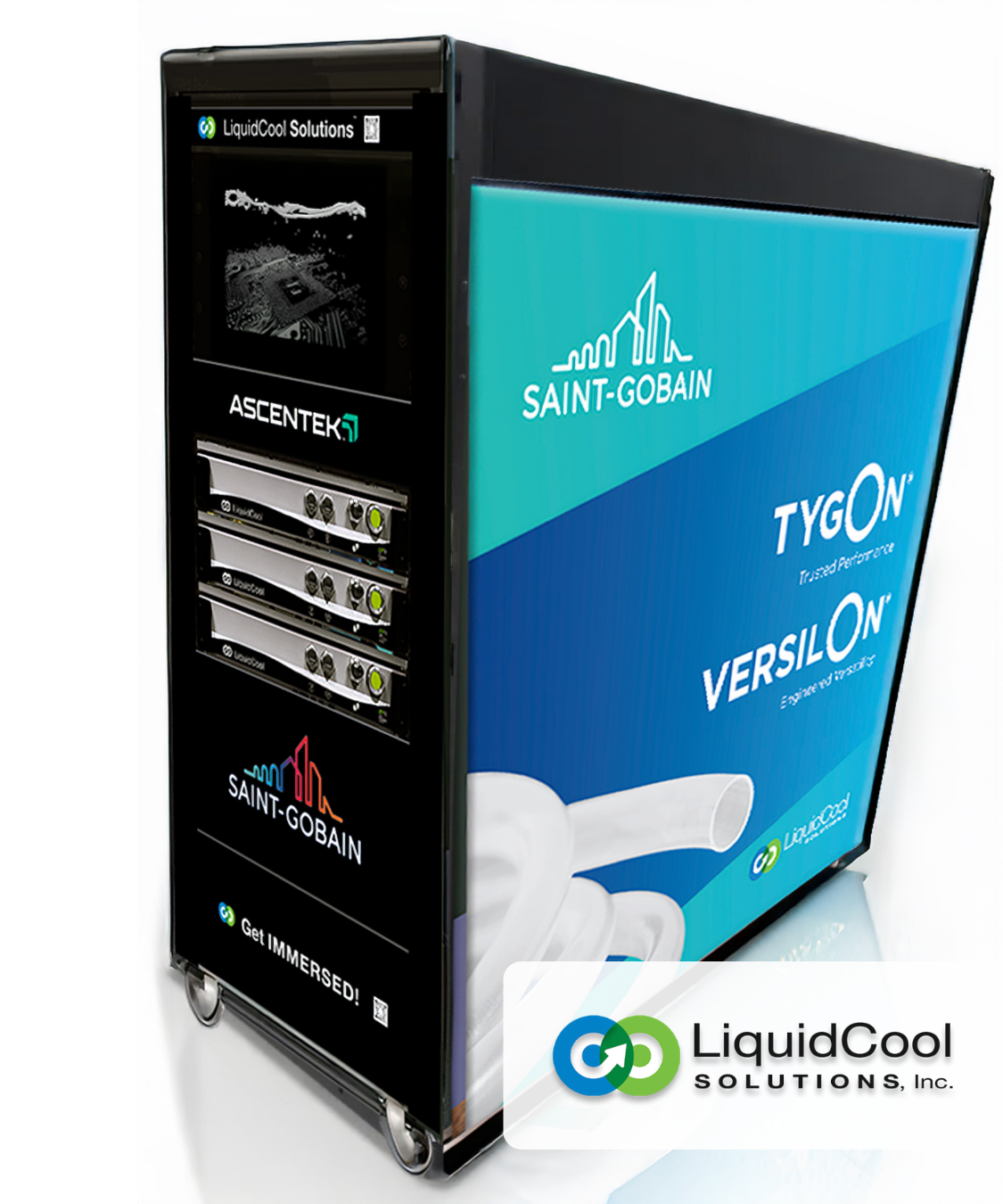 Liquid cooling does not always replace air cooling. Many liquid-cooled data centers still use air cooling for part of the thermal load.
Direct-to-chip cooling, for example, usually targets the highest-power components, such as CPUs, GPUs, or accelerators. The rest of the server may still use fans to cool memory, power supplies, storage, and other lower-power components. Rear-door heat exchangers also depend on air movement: the servers remain air-cooled internally, while the liquid-cooled door captures heat from the exhaust air.
A better way to think about liquid cooling is not as a universal replacement for air cooling, but as a way to move more of the heat load into a controlled fluid path.
What Are the Main Types of Data Center Liquid Cooling?
There are four main data center liquid cooling architectures: direct-to-chip cooling, rear-door heat exchangers, single-phase immersion cooling, and two-phase immersion cooling. Each one uses liquid to remove heat, but the liquid appears in different parts of the system.
- Direct-to-Chip Cooling
Direct-to-chip cooling uses cold plates mounted directly on high-power components such as CPUs, GPUs, or accelerators. Coolant flows through the cold plate, absorbs heat from the chip package, and carries that heat back to a cooling distribution system.
This is one of the most important architectures for high-density AI and HPC racks because it cools the hottest components directly while allowing much of the server architecture to remain familiar. The server is not submerged, and air cooling may still be used for lower-power components.
- Two-Phase Direct-to-Chip Cooling
Two-phase direct-to-chip cooling also uses cold plates or evaporators mounted at high-power components, but the fluid is designed to change phase as it absorbs heat. Instead of remaining liquid throughout the cold plate, the working fluid evaporates at or near the heat source and later condenses back to liquid elsewhere in the system.
The advantage is thermal efficiency. Phase change can absorb a large amount of heat at a relatively stable temperature, which makes two-phase direct-to-chip attractive for very high heat flux components. The tradeoff is greater system complexity. These systems must manage vapor and liquid flow, pressure control, condenser performance, fluid selection, and long-term containment. That makes tubing, seals, fittings, permeation resistance, and vapor compatibility especially important. - Rear-Door Heat Exchangers
A rear-door heat exchanger replaces the rear door of a server rack with a liquid-cooled coil. Server fans push hot exhaust air through the coil, and liquid removes heat before the air enters the data center room or hot aisle.
This approach is attractive for retrofits because the servers remain air-cooled internally and usually do not need to be modified. The liquid stays at the rack boundary rather than entering the server.
- Single-Phase Immersion Cooling
Single-phase immersion cooling submerges servers in a non-conductive dielectric liquid. The fluid absorbs heat from the server components but remains liquid during operation.
This architecture can support high-density deployments, but it requires broader material compatibility review because the fluid contacts the server, cables, labels, adhesives, seals, and other submerged materials. The fluid handling question expands beyond tubing and fittings to include everything the dielectric fluid touches.
- Two-Phase Immersion Cooling
Two-phase immersion cooling uses a dielectric fluid that boils at hot components and condenses back into liquid. The phase change allows the fluid to absorb large amounts of heat at nearly constant temperature.
Two-phase systems can be thermally powerful, but they require more specialized fluid selection, vapor containment, and seal design. The system must manage both liquid and vapor exposure, which makes material compatibility and sealing especially important.
What Changes When Liquid Enters the System?
Liquid cooling changes the engineering problem. In an air-cooled system, much of the focus is on airflow, fan power, heat sinks, containment, and room-level cooling. In a liquid-cooled system, those concerns may still exist, but new questions appear because the system now has to manage a controlled fluid path.
That means engineers and buyers need to think about coolant chemistry, wetted materials, leak prevention, hose routing, fitting interfaces, seal compatibility, service connections, and maintenance practices. The system is no longer just moving air around electronics. It is moving liquid near electronics, through connectors, seals, tubing, manifolds, tanks, or heat exchangers.
This is the key practical shift: liquid cooling is not only about removing heat. It is also about safely moving and containing liquid over the life of the system.
Why Coolant Type Matters
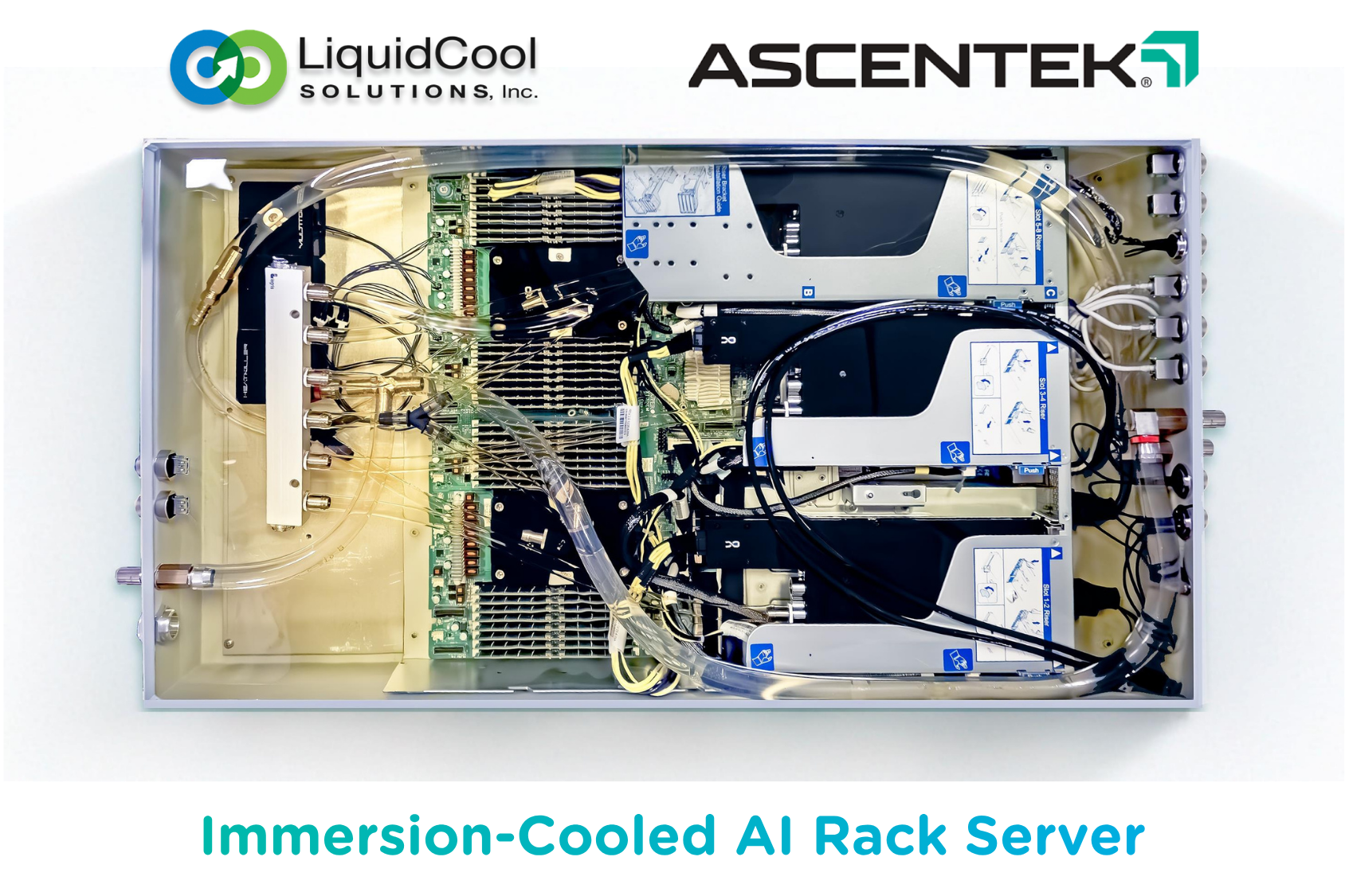 The coolant determines the chemical environment that every wetted component must survive. Water-based systems, including many direct-to-chip and rear-door heat exchanger designs, often use treated water or glycol/water. Two-phase direct-to-chip systems may use specialized working fluids selected for boiling point, dielectric behavior, pressure-temperature performance, and material compatibility. But the full formulation matters. Corrosion inhibitors, biocides, pH buffers, and other additives can affect compatibility with polymers, elastomers, metals, and seals.
Immersion systems use dielectric fluids, which are electrically non-conductive. But “dielectric fluid” is not a single chemistry. Different dielectric fluids can interact differently with the same tubing, gasket, adhesive, label, or seal material.
For this reason, compatibility should be reviewed against the actual fluid formulation, not only a broad category such as “propylene glycol,” “glycol/water,” "working fluid," or “dielectric fluid.”
Why Tubing, Fittings, and Seals Matter

Liquid cooling depends on more than the coolant and the heat exchanger. The fluid path has to be routed, connected, sealed, serviced, monitored, and maintained. Tubing and hose assemblies move coolant between equipment, racks, manifolds, tanks, or heat exchangers. Fittings and quick-disconnects define how fluid paths are joined and serviced. Seals and gaskets prevent leaks, weeping, vapor loss, and contamination.
These components may not receive the same attention as chips, cold plates, cooling distribution units, or tanks, but they are central to system reliability. A liquid cooling system is only as reliable as the components that contain and control the fluid.
That is why “liquid cooling compatible” is not a complete specification. A component may be suitable for a glycol/water direct-to-chip loop but inappropriate for a dielectric immersion fluid. A seal may work in a static connection but not in a quick-disconnect fitting that is repeatedly actuated. A hose may be chemically compatible but too stiff for the available rack routing space.
What Should Engineers and Technical Buyers Ask?
Before selecting fluid handling components for a liquid cooling system, engineers and technical buyers should start with a few practical questions:
- Which liquid cooling architecture is being used?
- What exact coolant or dielectric fluid will be in the system?
- What materials will the fluid contact?
- Which connections are static, serviceable, or repeatedly actuated?
- What temperature and pressure range will the components see?
- Are there bend radius, vibration, or installation constraints?
- What compatibility data is available for the actual fluid formulation?
These questions help separate a generic liquid cooling claim from a component that fits the real application. They also make it easier to identify where additional testing, supplier input, or application engineering support may be needed.
Conclusion
Data center liquid cooling is a way to remove heat using liquid rather than relying only on air. It is becoming more important as AI, HPC, and other high-density workloads push more heat into smaller rack spaces.
But liquid cooling is not one technology. Direct-to-chip cooling, two-phase direct-to-chip cooling, rear-door heat exchangers, single-phase immersion, and two-phase immersion all place the fluid in different parts of the system. That means they require different fluids, different components, and different compatibility reviews.
For engineers and technical buyers, the most important starting point is simple: understand where the liquid goes, what it touches, and how the system will be serviced. From there, tubing, fittings, seals, and other fluid handling components can be specified for the real operating environment, not just for a generic liquid cooling category.
Image References
- Vaultas: www.vaultas.com
- LiquidCool Solutions: www.liquidcoolsolutions.com
- Ascentek: www.ascentek.com
Frequently Asked Questions
Data center liquid cooling uses liquid to remove heat from servers, racks, or high-power computing equipment. The liquid may flow through cold plates, rack heat exchangers, or immersion tanks depending on the system architecture.
Data centers are using liquid cooling because AI, HPC, and GPU-heavy workloads are increasing rack power density. Liquid can remove more heat in less space than air, which makes it useful for high-density environments.
Not always. Many liquid-cooled systems still use air cooling for lower-power components. Direct-to-chip and rear-door heat exchanger systems are often hybrid approaches.
The main types are direct-to-chip cooling, two-phase direct-to-chip cooling, rear-door heat exchangers, single-phase immersion cooling, and two-phase immersion cooling.
Direct-to-chip cooling uses cold plates mounted on CPUs, GPUs, or accelerators. Coolant flows through the cold plate and removes heat directly from the chip package.
Two-phase direct-to-chip cooling uses a working fluid that changes phase as it absorbs heat from high-power chips. The fluid evaporates at or near the cold plate and later condenses back into liquid, allowing the system to move large amounts of heat at relatively stable temperatures.
A rear-door heat exchanger is a liquid-cooled coil mounted in the rear door of a server rack. It removes heat from server exhaust air while leaving the servers air-cooled internally.
Immersion cooling submerges servers in a non-conductive dielectric fluid. The fluid absorbs heat directly from the server components.
Direct-to-chip and rear-door systems often use treated water or glycol/water. Two-phase direct-to-chip systems use specialized working fluids designed around phase-change performance. Immersion systems use dielectric fluids. The exact fluid depends on the architecture and system design.
Coolant chemistry matters because tubing, fittings, seals, gaskets, metals, and other wetted materials must remain compatible with the actual fluid formulation over time.
Tubing, fittings, and seals move, connect, and contain the coolant. They help prevent leaks, maintain serviceability, and protect electronics from fluid-related failures.
Engineers should start with the architecture, the exact fluid, the materials the fluid will touch, and the service model. Those details determine the right tubing, fittings, seals, and gaskets.
Related Products


